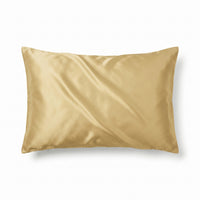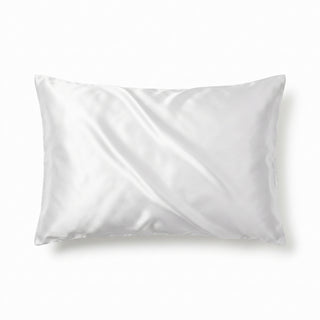
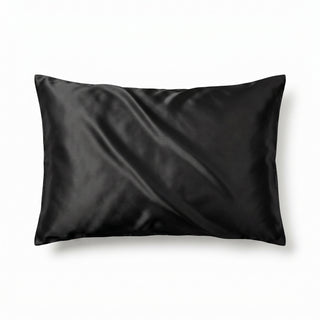
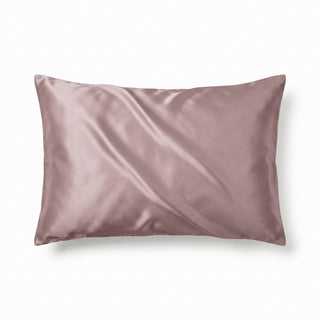
A plain-English guide to silk pillowcase weight. and why the difference between 19 and 22 is bigger than it sounds.
If you've shopped for a silk pillowcase lately, you've run into this number: momme. One brand claims 16, another 19, the premium ones say 22 or 25. The price roughly doubles from the bottom to the top. The marketing rarely explains what the number means or whether paying more actually gets you anything.
Here's the honest version, in five minutes.
What is momme, actually?
Momme (pronounced "mommy") is a Japanese unit of weight. In silk, it measures how heavy a 45-inch-wide, 100-yard-long piece of fabric is, in Japanese momme-units. You don't need to remember any of that. What matters is: higher momme = denser, heavier, more durable silk. More silk threads per square inch. Thicker feel in your hand.
That's it. No magic, no marketing trick. Just weight.
The three weights you'll actually see
16-momme silk
The entry-level weight. Feels silky but thin. closer to a slip dress than a bedding-grade fabric. Common in lower-priced "silky" pillowcases and cheap sleep masks. Wears out faster. Pills and snags more easily. If you're buying a pillowcase you want to still feel premium in two years, skip it.
Typical price: $20-$45 AUD.
19-momme silk
The most common weight on the market. Most well-known brands. including some famous imported ones. use 19-momme as their standard. It's a real silk experience: soft, cool, gentle on hair and skin. Durable enough for nightly use if you wash it properly.
Where 19-momme falls short: it's noticeably lighter in the hand than 22+, and the weave is slightly more translucent. If you're spending $120 on a pillowcase, you can reasonably expect more.
Typical price: $60-$140 AUD.
22-momme silk
The sweet spot. Dense enough to have real weight and drape, soft and cool like any genuine silk, durable through hundreds of washes. The threads per square inch are high enough that the fabric is opaque and reflects light beautifully. This is the weight you'll find in hotel-grade silk and in the $150+ imported brands that stock it as their premium tier.
Above 22, returns start to diminish. 25 and 30-momme silks exist, but they feel more like a heavy charmeuse and are typically marketed for garments (robes, evening wear) rather than bedding. For a pillowcase, 22 is the ceiling most people will actually notice.
Typical price: $120-$200 AUD from the big-name brands. About $40 AUD from us.
Why Aveloor only makes 22-momme
We could have launched with 19-momme and called it a day. It's cheaper to source, cheaper to sew, and most customers don't know the difference at the point of purchase.
We didn't, because we looked at the market and realised what Australian shoppers actually need isn't another 19-momme option at $99. It's 22-momme. the same grade the premium imports sell. at a price someone on a normal wage can actually afford to sleep on.
So Aveloor's entire pillowcase line is 22-momme, 6A-grade long-staple mulberry silk, OEKO-TEX Standard 100 certified, French-seamed, with a hidden YKK zip. The same spec the $150+ brands use. Priced at $98 because we'd rather you come back for a second pillowcase than pay us a brand tax on the first.
What momme doesn't tell you
Momme is the headline number, but it's not the whole story. Three other things matter:
- Grade. Silk is graded from A to C based on the quality of the silkworm cocoons used. 6A is the top grade of A. Almost all reputable silk sold today is 6A, but it's worth asking.
- Staple length. Long-staple silk is stronger, smoother, and resists pilling. Short-staple is what cheaper knockoffs use and what gives silk a bad reputation for falling apart.
- Weave and finish. Charmeuse weave is what makes silk feel slippery and luxurious. A 22-momme silk with a poor finish can still feel papery. A well-finished 19-momme can feel better than a badly-finished 22.
Translation: don't buy silk on momme alone. Ask about grade, staple, and weave too. If a brand won't tell you, that's usually your answer.
So what should you actually buy?
Depends on your budget:
- Under $30. Honestly? Save up. A $20 silk pillowcase is almost certainly 16-momme, short-staple, and will disappoint you within six months. You're better off with a good cotton percale at this price.
- $30-$60. Look for 22-momme, 6A, long-staple. Aveloor sits here at $98. If a brand at this price claims 22-momme without specifying grade, ask.
- $60-$120. Most 19-momme pillowcases from well-known brands. You're paying for name recognition. Fine silk, overpriced per gram.
- $120+. 22-momme from premium imports (Slip, Blissy Platinum, the Australian boutique brands). Excellent silk. Also four times what it costs to actually make.
TL;DR
Momme = weight = density = durability. More is better up to about 22, after which gains are marginal. Below 19, don't bother. At 22, you're buying the real thing. and if you don't want to pay a brand tax for it, we made Aveloor exactly for that reason.