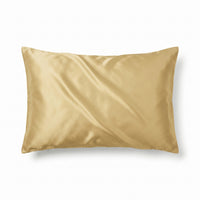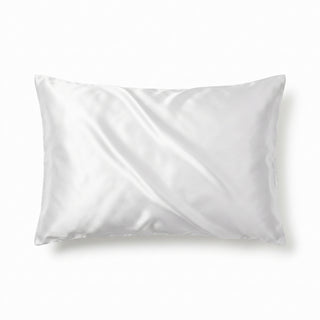
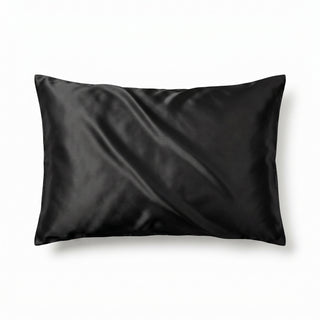
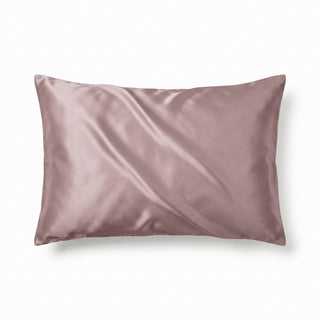
Mulberry silk is one of the most rewarding fabrics you can own. and one of the easiest to ruin if you wash it like a cotton t-shirt. The good news: once you've done it correctly once or twice, caring for your silk pillowcase becomes second nature. This guide walks through every step, from the first wash after unboxing to stain emergencies and long-term storage.
The short version
If you only remember four things, remember these: wash in cold water, use a silk-safe detergent, protect the pillowcase inside a mesh laundry bag, and air dry flat or on a low hang. Everything else in this article is detail that helps those four rules do their job.
How often should I wash my silk pillowcase?
Every seven to ten days is the sweet spot for most people. If you apply heavy night creams, oils, or treatments, bump that up to every five to seven days. Washing too frequently shortens the life of the silk; washing too rarely allows oils and skincare residue to build up and dull the shine.
If you sleep on a fresh pillowcase one night a week (the classic "I only use my silk on weekends" move) you can stretch the interval. but once it sees a full week of wear, it's time to wash.
Machine wash or hand wash. which is better?
Both are safe if you do them correctly. Machine washing is faster and perfectly fine for 22-momme mulberry silk as long as you use a mesh laundry bag, a delicate cycle, and cold water. Hand washing gives the gentlest possible clean and is our recommendation for the first one or two washes, when silk is most delicate.
Machine washing, step by step
1. Fasten any closures. If your pillowcase has a zip, zip it fully before washing to stop the slider from snagging other items.
2. Turn the pillowcase inside out. This protects the outer-facing weave. the side your skin touches. from the bulk of the friction.
3. Place it inside a mesh laundry bag. This is non-negotiable. A $6 mesh bag is the single most important piece of silk care equipment you own. It keeps the pillowcase from tangling with heavier items and from being stretched by the agitator.
4. Choose a cold, delicate cycle. Water temperature matters more than any other setting. Cold (below 30°C / 86°F) preserves the natural sericin proteins in the silk. Warm or hot water breaks them down and leaves the fabric dull.
5. Use a silk-safe or gentle detergent. Look for a pH-neutral, enzyme-free formula. anything labelled for wool, silk, or delicates. Avoid regular laundry detergent with enzymes (they literally digest protein fibres), chlorine bleach, and fabric softener (it coats the silk and kills the slip).
6. Skip the spin cycle or set it to the lowest speed. High-speed spinning is where most silk damage happens in a washing machine. If your machine doesn't have a low-spin option, pull the pillowcase out before the spin begins.
Hand washing, step by step
Fill a clean sink or basin with cold water and add half a capful of silk-safe detergent. Submerge the pillowcase and swish it gently for two to three minutes. Do not twist, wring, or scrub. silk doesn't need agitation to release dirt and oils; soaking does most of the work.
Drain the sink, refill with clean cold water, and swish again to rinse. Repeat until the water runs clear (usually twice). Press the pillowcase gently between your palms to release excess water. never wring it.
Drying. the step most people get wrong
Air dry, always. Silk loses its sheen and can shrink permanently in a tumble dryer, even on low heat. Lay the pillowcase flat on a clean towel, roll the towel up to blot out the extra water, then unroll and hang the pillowcase on a padded hanger or a drying rack out of direct sunlight. Direct sun fades the dye and weakens the fibres over time.
A silk pillowcase hung in a well-ventilated room will usually be dry in three to four hours. If you're in a rush, a cool shot from a hairdryer at arm's length can speed it along. but don't use heat.
Ironing and wrinkles
Most Aveloor owners never need to iron. Silk smooths out naturally as you sleep on it. If you do want to press it, use the silk setting on your iron (usually the lowest heat) while the pillowcase is still slightly damp, and place a cotton pressing cloth between the iron and the silk. Never iron directly on a dry pillowcase. you'll scorch the fibres.
Stain removal
Act fast and act gently. For fresh stains (makeup, night cream, spilled tea) blot. don't rub. with a clean cloth dipped in cold water. Then spot-wash with a tiny amount of silk-safe detergent worked in with your fingertips for ten to fifteen seconds. Rinse with cold water and proceed to a full wash.
For set-in stains, avoid stain sticks, oxygen bleach, and hydrogen peroxide. all of them strip silk. A gentle soak in cold water with silk detergent for thirty minutes, followed by a normal wash, handles most stubborn marks.
Storage between uses
Fold (don't hang) your silk pillowcase loosely in a breathable cotton drawer or cloth storage bag. Avoid plastic bags. they trap moisture and can yellow silk over time. If you rotate between several pillowcases (a smart move, see our Buy 3, Get 1 Free bundle) a single drawer is plenty of space for a full set.
When it's time to retire a silk pillowcase
With correct care, a 22-momme mulberry silk pillowcase lasts two to four years of nightly use. Signs it's time to replace: visible pilling or snags along the hem, the slip is noticeably reduced (your skin and hair "stick" more), or fading that won't wash out. If your pillowcase is showing wear early, it's almost always a care issue. re-read the water temperature and detergent sections above.
Still unsure about silk vs satin?
If you landed here while researching whether silk is worth the investment over a satin pillowcase, our companion piece on silk vs satin pillowcases walks through the fibre-vs-weave distinction and what each one actually does for your skin and hair.
Shop the pillowcase this guide was written for
Every care instruction above applies to the Aveloor Signature 22-momme Mulberry Silk Pillowcase. Questions? Email hello@aveloor.com. we will get back to you.