If you have breakout-prone skin, you've probably heard the advice: change your pillowcase. Switch to silk, people say, and your skin will thank you. It sounds like a beauty-blog oversimplification. and in some ways it is. But there is real skin barrier science underneath the claim, and it's worth understanding before you spend money on a new pillowcase.
At Aveloor we sell 22-momme mulberry silk, so we have a commercial interest here. This guide tries to be honest about what silk can and cannot do for acne.
What your skin barrier actually does at night
Your stratum corneum. the outermost layer of skin. is a brick wall of dead cells held together by lipids (ceramides, cholesterol, free fatty acids). It regulates water loss, keeps irritants out, and maintains a mildly acidic pH that discourages harmful bacteria. Overnight, while you sleep, this barrier is doing most of its repair work. Blood flow to the skin increases, cellular turnover speeds up, and the products you layered on at night get absorbed and activated.
Anything that disrupts this process. friction, moisture loss, bacterial transfer. makes the barrier less effective. And a barrier that's less effective is one that reacts more: inflammation, sensitivity, and for acne-prone skin, more breakouts.
How cotton pillowcases work against you
Cotton is a workhorse fabric, but it has three properties that aren't great for your face:
- High absorption. Cotton wicks moisture aggressively. That's useful for towels; less useful when it's pulling serums, moisturiser, and your own sebum off your face and storing it in the fabric for 6-8 hours.
- Friction. The surface of a woven cotton fibre is microscopically rough. As you move through sleep cycles, your skin rubs against it. and friction against the stratum corneum can trigger a specific type of breakout called acne mechanica.
- Buildup. Because cotton absorbs so much, it also holds onto everything it absorbs: skincare residue, sweat, skin oils, bacteria. Unless you wash it every 1-2 days, you're pressing your face into a slowly accumulating biofilm.
What silk does differently
Silk is a protein fibre, not a cellulose one, and it behaves very differently at the surface of your skin:
- Lower absorption. Silk absorbs roughly 30% less moisture than cotton. Your skincare mostly stays where you put it: on your face.
- Low friction coefficient. A 22-momme silk pillowcase has a measurably smoother glide. Studies on hair breakage have documented up to 43% less friction versus cotton at similar contact pressure; your skin benefits from the same property.
- Slower residue buildup. Because silk doesn't wick aggressively, less sebum and less skincare ends up embedded in the weave. You still need to wash it regularly, but you're not sleeping on the same residue load as you are with cotton.
So. does silk actually reduce acne?
Here's the honest answer: silk helps with some kinds of acne, and it can't do anything about the rest.
What silk can help with:
- Friction-related breakouts along the jawline and cheeks (acne mechanica)
- Flare-ups caused by transferring yesterday's oil and skincare residue back onto clean skin
- Inflammation in skin with a compromised barrier. because you're reducing mechanical irritation at night, when barrier repair is happening
What silk cannot help with:
- Hormonal acne, which is driven by androgens and sebum production
- Bacterial acne (C. acnes overgrowth). this needs a proper skincare routine with a benzoyl peroxide, salicylic acid, or retinoid, not a pillowcase
- Cystic acne, which is a deeper inflammatory condition
If your breakouts are mostly along the sides of your face where your pillow contacts your skin, silk is likely to help within a few weeks. If they're concentrated around your chin and jaw and track with your cycle, a pillowcase is not the lever to pull.
The quality question
Not all silk is created equal. Three things matter more than the marketing copy on the packaging:
- Momme weight. This is the density of the weave. 19-momme is entry-level; 22-momme is the sweet spot for durability and glide; 25-momme is heavier but less breathable. At Aveloor we chose 22-momme because it's where the friction-reduction benefits plateau.
- Grade. Mulberry silk is graded A through C based on fibre length and uniformity. Grade 6A is the highest. Lower grades are often blended or mixed with shorter fibres that pill faster.
- Dyes and treatments. Cheap silk is often dyed with azo dyes that can irritate sensitive skin. OEKO-TEX Standard 100 certification means the fabric has been tested for harmful substances. which is what you want pressed against your face for 7 hours a night.
Our honest take
A silk pillowcase is not a treatment for acne. It's an environmental improvement. If everything else in your skincare routine is dialled in, switching from cotton to silk removes one of the most common nightly irritants. For some people, that's the difference between stubborn friction breakouts and clear skin. For others, it's a small marginal improvement on top of their existing routine.
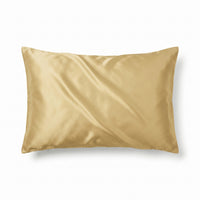
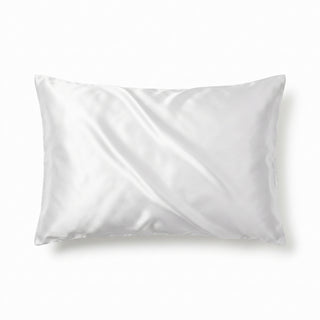
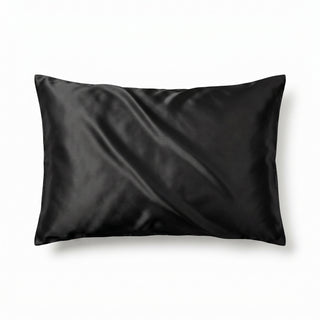
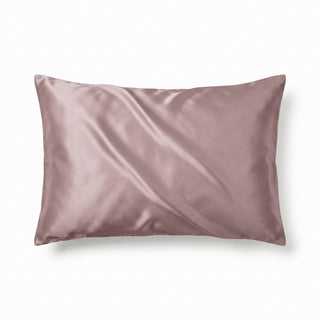
If you want to try it, our 22-momme Silk Recovery Case is our hero product. Grade 6A mulberry silk, OEKO-TEX certified, and backed by a 90-day sleep trial. If you don't notice a difference in twelve weeks, send it back.
And if you want to go further, the Classic Gift Set pairs the pillowcase with a matching silk sleep mask. two silk touchpoints for your skin overnight.
Written by Samuel Maple, Aveloor founder. This post is educational and not medical advice. If your acne is persistent or painful, please see a dermatologist.