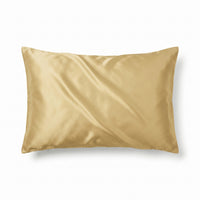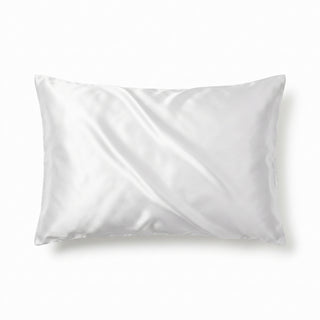
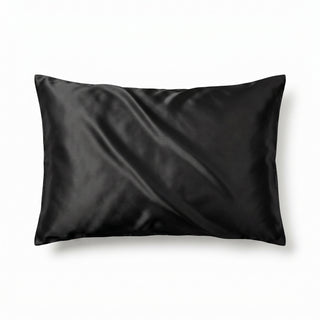
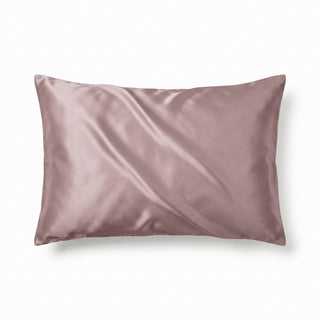
"Is silk just a fancy word for satin?" It's one of the first questions people ask when they're deciding whether a silk pillowcase is worth the price of two or three satin ones. The short answer: no, they're not the same thing. and the difference actually matters for your skin, your hair, and how long the pillowcase lasts. This article walks through the real distinction, the trade-offs of each, and how to choose the one that suits you.
The core distinction: fibre vs weave
This is the single idea that unlocks everything else. Silk is a fibre. Satin is a weave.
Silk is a natural protein fibre produced by silkworms. It's a material. like cotton, wool, or linen.
Satin is a method of weaving threads together. It describes how the fabric is constructed, not what it's made of. A satin weave can be woven from any material: polyester, nylon, rayon, acetate, or silk itself.
This means "silk satin" is a real, high-end product. a satin-weave fabric made from silk fibres. But when retailers say "satin pillowcase" without specifying the fibre, they almost always mean polyester.
What silk actually is
The silk we use in pillowcases is mulberry silk. specifically, silk produced by Bombyx mori silkworms fed exclusively on mulberry leaves. This is the highest grade of silk commercially available, and it's measured in momme: the weight in pounds of a 45-inch by 100-yard piece of fabric.
A quick reference:
- 16-19 momme. lightweight silk, suitable for blouses and scarves but thin for pillowcases
- 22 momme. the sweet spot for pillowcases: dense enough to be durable, light enough to stay cool
- 25 momme and above. luxury-weight, heavier, warmer, and significantly more expensive
Aveloor pillowcases are 22-momme mulberry silk. the grade independent reviewers most often recommend for nightly use.
What satin actually is
When a shop sells a "satin pillowcase" for $15, they're almost always selling polyester woven in a satin pattern. It has the shiny, slippery surface that satin weave produces, but underneath it's a synthetic fibre made from petroleum-derived plastic.
Polyester satin isn't bad. it's just different. It's cheap, it's washable, it dries fast, and it gives you most of the hair-benefits people want from silk at a fraction of the price. But it doesn't regulate temperature, it can trap moisture against your skin, and it tends to pill and lose its sheen within six to twelve months of regular use.
Side-by-side comparison
| Feature | 22-momme Mulberry Silk | Polyester Satin |
|---|---|---|
| Fibre | Natural protein (silk) | Synthetic (plastic) |
| Feel | Cool, dry, weighty slip | Slippery, can feel clammy |
| Temperature regulation | Naturally thermo-regulating | Traps heat and moisture |
| Moisture absorption | Low. keeps skincare on your face, not your pillow | Zero. moisture sits on the surface |
| Hypoallergenic | Yes. resistant to dust mites and mould | No. can harbour allergens |
| Durability | 2-4 years of nightly use with correct care | 6-12 months before pilling and dulling |
| Care | Cold wash, silk-safe detergent, air dry | Machine wash warm, tumble dry low |
| Sustainability | Biodegradable natural fibre | Plastic. sheds microplastics in the wash |
| Price | Premium | Budget |
What each one does for your skin
Mulberry silk has two properties that matter for skin. First, it has a much smoother surface than cotton or polyester at the microscopic level, so your face slides across it instead of dragging. less friction means fewer sleep creases and less irritation of sensitive skin. Second, silk absorbs far less moisture than cotton: your night cream, serums, and natural facial oils stay on your skin instead of wicking into the pillow. If you've ever woken up to find your moisturiser soaked into the pillow, cotton was the culprit.
Polyester satin is smoother than cotton too, so it delivers some of the friction benefit. But because it doesn't breathe, it can trap sweat and oils against your skin overnight. not ideal if you're acne-prone.
What each one does for your hair
Both silk and satin reduce the friction that causes frizz and breakage, and both help preserve a blowout or hairstyle overnight. This is the area where satin delivers closest to silk performance. at a quarter of the price, it's a defensible budget choice purely for hair.
Where silk wins: it doesn't cause the static that polyester can, and the temperature regulation matters if you run warm at night and sweat into your hair.
What about "silk satin" or "charmeuse"?
You'll sometimes see "silk satin" or "silk charmeuse" on labels. both describe a satin-weave fabric made from real silk. This is the top of the market: silk fibre worked into a satin weave to maximise the signature slip and lustre. Aveloor pillowcases are woven in this style. So when you buy from us, you're getting the fibre (mulberry silk) and the weave (satin). not one or the other.
How to decide
Buy satin if: you want a short-term hair-protection upgrade, your budget is tight, you don't care about temperature regulation, and you're comfortable replacing the pillowcase every six to twelve months.
Buy silk if: you invest in skincare and want it to stay on your face, you sleep warm, you have sensitive skin or acne, you want a pillowcase that lasts years, and you'd rather buy one quality item than four cheap ones.
For most people the maths is in silk's favour. A $70 Aveloor pillowcase that lasts three years costs you about 64 cents a week. A $15 polyester pillowcase that needs replacing twice a year costs about 57 cents a week. but with none of the skin or sustainability benefits, and with microplastic shedding in every wash.
Ready to try silk?
Our 22-momme Mulberry Silk Pillowcase is the one we recommend to people making the switch. It's backed by a 90-day sleep trial. if it's not right for you, return it for a full refund. For the best value, the Buy 3, Get 1 Free bundle is what most owners land on once they realise one pillowcase isn't enough for a weekly wash rotation.
Care questions? We wrote a full silk pillowcase care guide covering water temperature, detergent, and drying.